

- Regeneration Clinic Treatments
Neurological Conditions
Our Method
Our Unique Approach to Neurological Conditions
Neurodegenerative diseases are characterised by the progressive deterioration of neuronal function and brain atrophy. Despite extensive research, an unmet need for effective therapies remains making regenerative medicine a critical frontier in neurological care.
Neurodegenerative Disease Overview
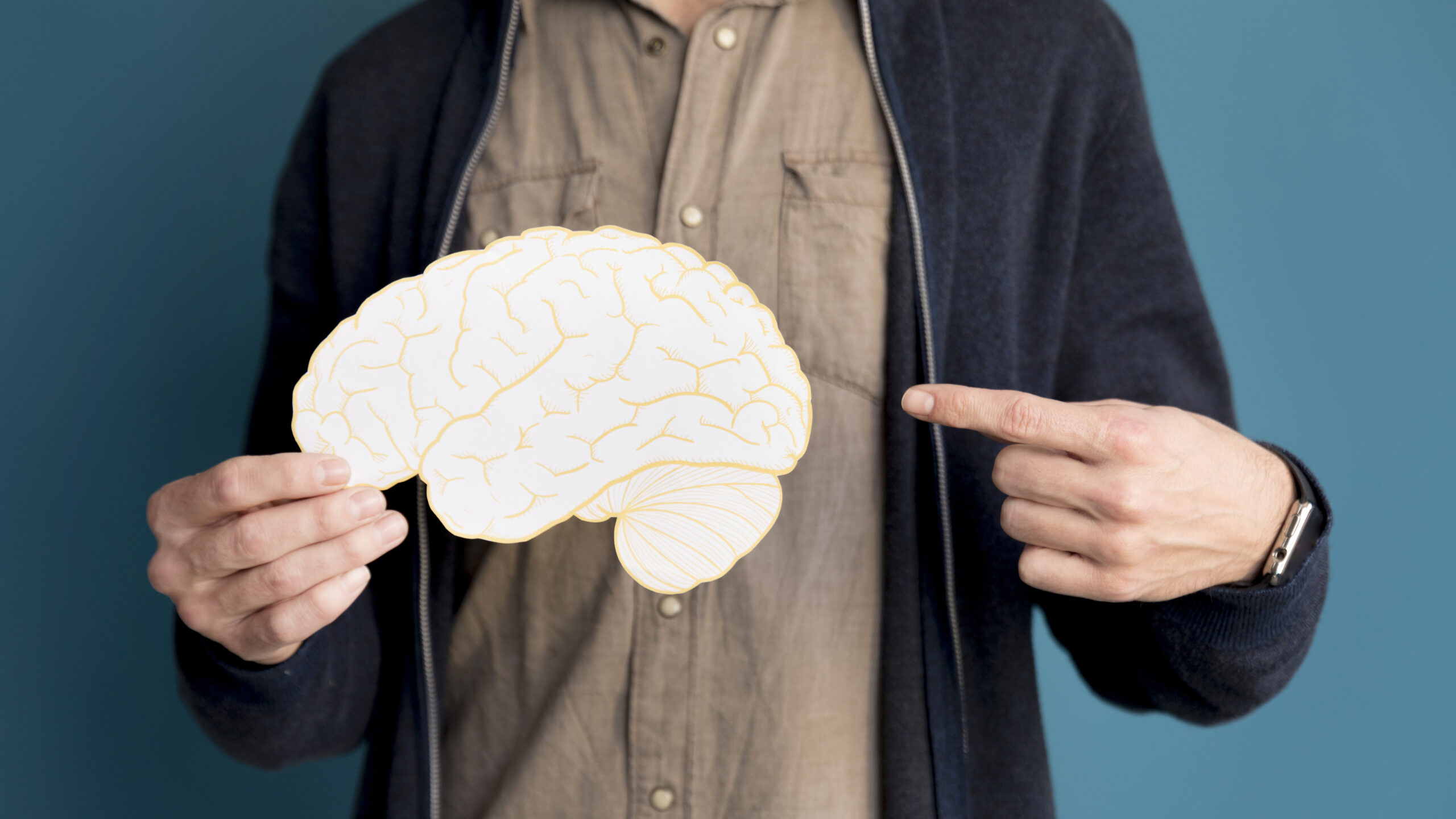
A neurodegenerative disease refers to a condition characterised by the progressive deterioration of neuronal function and brain atrophy. Despite extensive efforts dedicated to developing treatments for these diseases, there remains a significant unmet need for effective, disease-modifying therapies that can slow or reverse neuronal decline.
MSC Transplantation for Brain Recovery
One promising approach for promoting brain recovery and cell regeneration is the transplantation of mesenchymal stem cells (MSCs). The therapeutic effects of MSCs are believed to be mediated through their secretome the collection of bioactive substances they release which acts on damaged neural tissue to support repair and functional restoration.
The Role of MSC-Derived Exosomes
Exosomes derived from MSCs have emerged as particularly potent mediators of therapeutic benefit. Research indicates that these exosomes retain several key characteristics of their parent cells, enabling them to carry out complex biological functions at the site of neurological injury without the need for direct cell transplantation.
Neuroprotective & Regenerative Mechanisms
MSC-derived exosomes exert their effects through immune system modulation, regulation of neurite outgrowth the extension of nerve fibres essential for neural connectivity promotion of angiogenesis for the formation of new blood vessels, and broad tissue repair capabilities, collectively supporting neurological recovery and slowing disease progression.