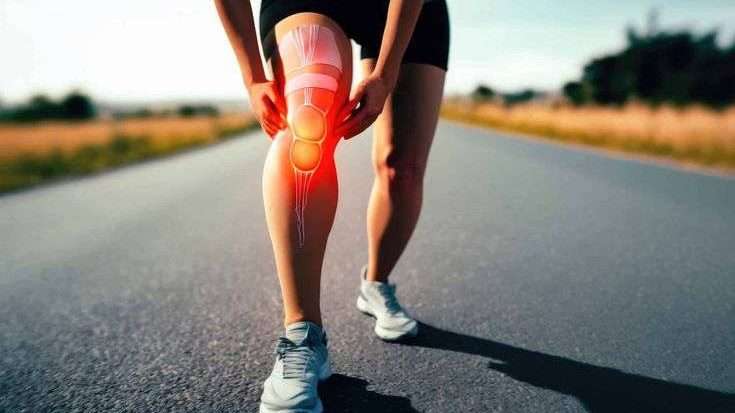
There is an increasing online discussion about the topic of best stem cell therapy for joints. Many people are actively searching for the best stem cell therapy for joints because they want to reduce pain, improve mobility, and restore joint health without surgery. The idea of healing joints naturally is very appealing but can the best stem cell therapy for joints actually deliver these benefits? What do doctors and scientists really say?
This article will explore the reality behind the best stem cell therapy for joints, including what science says, the potential benefits, the risks, and expert insights.
The best stem cell therapy for joints refers to the use of stem cells to repair, regenerate, and restore damaged joint tissues. Stem cells have the unique ability to develop into different types of cells, which helps the body heal itself naturally.
As we age or experience injuries, our joint repair system becomes weaker. This leads to:
Joint pain and inflammation
Cartilage degeneration
Stiffness and reduced mobility
Slower healing
The goal of the best stem cell therapy for joints is to restore this natural repair mechanism and improve overall joint function and quality of life.
However, it is important to understand that the best stem cell therapy for joints is still under continuous research and development.
Is There a Proven Solution??
As of now, there is no guaranteed or universally proven best stem cell therapy for joints that can completely cure joint conditions.
Major health organizations have not officially approved stem cell therapy as a definitive cure for joint diseases. While some clinics promote the best stem cell therapy for joints as a breakthrough treatment, scientific evidence is still evolving.
Some studies suggest that the best stem cell therapy for joints may:
Reduce inflammation
Support cartilage repair
Improve joint function
However, these findings are not yet strong enough to confirm a complete or permanent solution.
mportant: Any clinic claiming guaranteed results from the best stem cell therapy for joints should be approached with caution
Regenerative Medicine
What Are the Reasons Why Do People Seek the Best Stem Cell Therapy for Joints?
Joint problems affect millions of people worldwide. Many individuals look for the best stem cell therapy for joints because they want to:
Avoid surgery such as joint replacement
Reduce long-term medication use
Restore natural joint movement
Improve overall quality of life
This growing demand is driving interest in the best stem cell therapy for joints as a long-term, natural alternative to traditional treatments.
Current Research on Best Stem Cell Therapy for Joints?
Scientists are actively researching the best stem cell therapy for joints to understand its full potential. Some early studies show promising benefits, such as:
However, these results are still in the early stages. There is no consistent evidence yet proving that the best stem cell therapy for joints can fully cure joint conditions.
It is not surprising that interest in the best stem cell therapy for joints is growing rapidly. People want to stay active, pain-free, and avoid invasive procedures for as long as possible.
While early research is promising, there is currently no scientifically proven cure using stem cells for joint conditions. The best approach is to focus on:
Proven healthy lifestyle practices
Evidence-based medical treatments
Consultation with qualified healthcare professionals
If you are considering the best stem cell therapy for joints, always consult a medical expert and carefully evaluate the available evidence.
Science continues to evolve, and in the future, the best stem cell therapy for joints may become more effective and widely accepted—but for now, informed decision-making is essential.
Masrori, P., y Van Damme, P. (2020). Esclerosis lateral amiotrófica: una revisión clínica. Revista Europea de Neurología: Revista Oficial de la Federación Europea de Sociedades Neurológicas, 27(10), 1918-1929. https://doi.org/10.1111/ene.14393
Sivandzade, F. y Cucullo, L. (2021). Terapia regenerativa con células madre para enfermedades neurodegenerativas: una descripción general. Revista Internacional de Ciencias Moleculares, 22(4), 2153. https://doi.org/10.3390/ijms22042153
Autismo
Referencias
Hodges, H., Fealko, C. y Soares, N. (2020b). Trastorno del espectro autista: definición, epidemiología, causas y evaluación clínica. Pediatría Traslacional, 9(S1), S55–S65. https://doi.org/10.21037/tp.2019.09.09
Shen, Z., Huang, W., Liu, J., Tian, J., Wang, S. y Rui, K. (2021c). Efectos de los exosomas derivados de células madre mesenquimales en enfermedades autoinmunes. Frontiers in Immunology, 12. https://doi.org/10.3389/fimmu.2021.749192
Artritis reumatoide
Referencias
Scherer, H., Häupl, T. y Burmester, G. R. (2020). La etiología de la artritis reumatoide. Journal of Autoimmunity, 110, 102400. https://doi.org/10.1016/j.jaut.2019.102400
Sarsenova, M., Issabekova, A. S., Abisheva, S. D., Rutskaya-Moroshan, K., Ogay, V. y Saparov, A. (2021). Terapia basada en células madre mesenquimales para la artritis reumatoide. Revista Internacional de Ciencias Moleculares, 22(21), 11592. https://doi.org/10.3390/ijms222111592
Lupus eritematoso sistémico
Referencias
Fava, A., y Petri, M. (2019). Lupus eritematoso sistémico: diagnóstico y tratamiento clínico. Journal of Autoimmunity, 96, 1–13. https://doi.org/10.1016/j.jaut.2018.11.001
Li, A., Guo, F., Pan, Q., Chen, S., Chen, J. y Liu, H. (2021). Terapia con células madre mesenquimales: esperanza para pacientes con lupus eritematoso sistémico. Frontiers in Immunology, 12. https://doi.org/10.3389/fimmu.2021.728190
Esclerosis múltiple
Referencias
Dobson, R. y Giovannoni, G. (2019). Esclerosis múltiple: una revisión. Revista Europea de Neurología: Revista Oficial de la Federación Europea de Sociedades Neurológicas, 26(1), 27–40. https://doi.org/10.1111/ene.13819
Jafarzadeh Bejargafshe, M., Hedayati, M., Zahabiasli, S., Tahmasbpour, E., Rahmanzadeh, S. y Nejad-Moghaddam, A. (2019). Seguridad y eficacia de la terapia con células madre para el tratamiento del daño neuronal en pacientes con esclerosis múltiple. Stem Cell Investigation, 6, 44. https://doi.org/10.21037/sci.2019.10.06
Masrori, P. y Van Damme, P. (2020). Esclerosis lateral amiotrófica: una revisión clínica. Revista Europea de Neurología, 27(10), 1918-1929. https://doi.org/10.1111/ene.14393
Sivandzade, F. y Cucullo, L. (2021). Terapia regenerativa con células madre para enfermedades neurodegenerativas: Panorama general. Revista Internacional de Ciencias Moleculares, 22(4), 2153. https://doi.org/10.3390/ijms22042153
EII Enfermedad inflamatoria intestinal
Referencias
Enfermedad inflamatoria intestinal (EII). (2023b, 17 de abril). Centros para el Control y la Prevención de Enfermedades. https://www.cdc.gov/ibd/
Ko, J. Z., Johnson, S. y Dave, M. (2021c). Eficacia y seguridad de la terapia con células madre mesenquimales/estromales para enfermedades inflamatorias intestinales: Una revisión sistemática actualizada. Biomolecules, 11(1), 82. https://doi.org/10.3390/biom11010082
vasculitis sistémica
References
Shen, Z., Huang, W., Liu, J., Tian, J., Wang, S. y Rui, K. (2021e). Efectos de los exosomas derivados de células madre mesenquimales en enfermedades autoinmunes. Frontiers in Immunology, 12. https://doi.org/10.3389/fimmu.2021.749192
Liu, Y., Yan, L. M., Wan, L., Xiang, T. X., Le, A., Liu, J. M., … y Zhang, W. (2020). Dinámica viral en casos leves y graves de COVID-19. Cell & Bioscience, 10(1), 1-7. https://www.nature.com/articles/s41419-020-2542-9
Angina/Coronary Heart Disease
References
Centro Nacional de Información Biotecnológica. (2016). Arsénico en el agua potable y enfermedades cardiovasculares. Perspectivas de Salud Ambiental, 124(6), A106-A107. https://www.ncbi.nlm.nih.gov/pmc/articles/PMC4958723/
Mejora de la funcionalidad y la eficacia terapéutica de la terapia celular con células madre mesenquimales para enfermedades cardiovasculares Yun & Lee
Yun, C. W., y Lee, S. Y. (2019). Mejora de la funcionalidad y la eficacia terapéutica de la terapia basada en células utilizando células madre mesenquimales para la enfermedad cardiovascular. Revista Internacional de Ciencias Moleculares, 20(4), 982. https://doi.org/10.3390/ijms20040982
Xiong, Y., Gong, Z., Tang, R. y Yang, Y. (2021). El papel fundamental de los exosomas derivados de células inmunes endógenas y células madre exógenas en la reparación del miocardio después de un infarto agudo de miocardio. Theranostics, 11(3), 1046–1058. https://doi.org/10.7150/thno.53326
Cushing, K., y Higgins, P. D. R. (2021). Manejo de la enfermedad de Crohn: una revisión: Una revisión. JAMA: Revista de la Asociación Médica Estadounidense, 325(1), 69-80.https://doi.org/10.1001/jama.2020.18936
Wang, R., Yao, Q., Chen, W., Gao, F., Li, P., Wu, J., Yu, J. y Cao, H. (2021). Terapia con células madre para la enfermedad de Crohn: revisión sistemática y metaanálisis de estudios preclínicos y clínicos. Investigación y terapia con células madre, 12(1). https://doi.org/10.1186/s13287-021-02533-0
Ulcerative Colitis
References
Gajendran, M., Loganathan, P., Jimenez, G., Catinella, A. P., Ng, N., Umapathy, C., Ziade, N. y Hashash, J. G. (2019). Una revisión exhaustiva y actualización sobre la colitis ulcerosa. Enfermedad al mes: DM, 65(12), 100851.https://doi.org/10.1016/j.disamonth.2019.02.004
Hosseini-Asl, S.-K., Mehrabani, D. y Karimi-Busheri, F. (2020). Efecto terapéutico de las células madre mesenquimales en la colitis ulcerosa: una revisión de logros y desafíos. Revista de Medicina Clínica, 9(12), 3922. https://doi.org/10.3390/jcm9123922
Afecciones neurológicas
References
Guy, R. y Offen, D. (2020). Oportunidades prometedoras para el tratamiento de enfermedades neurodegenerativas con exosomas derivados de células madre mesenquimales. Biomolecules, 10(9), 1320. https://doi.org/10.3390/biom10091320
CDC. (5 de mayo de 2023). Acerca del accidente cerebrovascular. Centros para el Control y la Prevención de Enfermedades. https://www.cdc.gov/stroke/about.htm
Barthels, D., y Das, H. (2020). Avances actuales en la investigación y las terapias del accidente cerebrovascular isquémico. Biochimica et Biophysica Acta. Bases moleculares de la enfermedad, 1866(4), 165260. https://doi.org/10.1016/j.bbadis.2018.09.012
Campbell, B. C. V., De Silva, D. A., Macleod, M. R., Coutts, S. B., Schwamm, L. H., Davis, S. M., y Donnan, G. A. (2019). Accidente cerebrovascular isquémico. Nature Reviews. Disease Primers, 5(1), 70. https://doi.org/10.1038/s41572-019-0118-8
Kawabori, M., Shichinohe, H., Kuroda, S. y Houkin, K. (2020). Ensayos clínicos de terapia con células madre para el accidente cerebrovascular isquémico cerebral. Revista Internacional de Ciencias Moleculares, 21(19), 7380. https://doi.org/10.3390/ijms21197380
Parkinson’s
References
Pradhan, A. U., Uwishema, O., Onyeaka, H., Adanur, I. y Dost, B. (2022). Una revisión de la terapia con células madre: Un tratamiento emergente para la demencia en las enfermedades de Alzheimer y Parkinson. Cerebro y Comportamiento, 12(9). https://doi.org/10.1002/brb3.2740
Multiple system atrophy (MSA)
References
Goh YY, Saunders E, Pavey S, Rushton E, Quinn N, Houlden H, Chelban V. Atrofia multisistémica. Pract Neurol. Junio de 2023;23(3):208-221. doi: 10.1136/pn-2020-002797. Publicación electrónica: 16 de marzo de 2023. PMID: 36927875.
Singer W, Dietz AB, Zeller AD, Gehrking TL, Schmelzer JD, Schmeichel AM, Gehrking JA, Suarez MD, Sletten DM, Minota Pacheco KV, Coon EA, Sandroni P, Benarroch EE, Fealey RD, Matsumoto JY, Bower JH, Hassan A, McKeon A, Windebank AJ, Mandrekar JN, Low PA. Administración intratecal de células madre mesenquimales autólogas en la atrofia multisistémica. Neurología. 2 de julio de 2019;93(1):e77-e87. doi: 10.1212/WNL.0000000000007720. Publicación electrónica, 31 de mayo de 2019. PMID: 31152011; PMCID: PMC6659003.
Traumatic brain injury
References
Khellaf A, Khan DZ, Helmy A. Avances recientes en lesiones cerebrales traumáticas. J Neurol. Noviembre de 2019;266(11):2878-2889. doi: 10.1007/s00415-019-09541-4. Publicación electrónica, 28 de septiembre de 2019. PMID: 31563989; PMCID: PMC6803592.
Chronic traumatic encephalopathy
References
Pierre K, Molina V, Shukla S, Avila A, Fong N, Nguyen J, Lucke-Wold B. Encefalopatía traumática crónica: Actualizaciones y avances diagnósticos. AIMS Neurosci. 19 de diciembre de 2022;9(4):519-535. doi: 10.3934/Neuroscience.2022030. PMID: 36660076; PMCID: PMC9826753.
Spinal cord injury
References
Alizadeh, A., Dyck, S. M. y Karimi-Abdolrezaee, S. (2019). Lesión traumática de la médula espinal: una descripción general de la fisiopatología, los modelos y los mecanismos de lesión aguda. Fronteras en neurología, 10. https://doi.org/10.3389/fneur.2019.00282
Cofano, F., Boido, M., Monticelli, M., Zenga, F., Ducati, A., Vercelli, A. y Garbossa, D. (2019). Células madre mesenquimales para la lesión de la médula espinal: opciones actuales, limitaciones y futuro de la terapia celular. Revista Internacional de Ciencias Moleculares, 20(11), 2698. https://doi.org/10.3390/ijms20112698
Looi, Q. H., Eng, S. P., Liau, L. L., Tor, Y. S., Bajuri, M. Y., Ng, M. H., & Law, J. X. (2020). Mesenchymal stem cell therapy for sports injuries – from research to clinical practice. Sains malaysiana, 49(4), 825-838. https://doi.org/10.17576/jsm-2020-4904-12
Arthritis & Osteoarthritis
References
Jang, S., Lee, K., & Ju, J. H. (2021). Recent updates of diagnosis, pathophysiology, and treatment on osteoarthritis of the knee. International Journal of Molecular Sciences, 22(5). https://doi.org/10.3390/ijms22052619
Xu, Y., Zhang, W.-X., Wang, L.-N., Ming, Y.-Q., Li, Y.-L., & Ni, G.-X. (2021). Stem cell therapies in tendon-bone healing. World Journal of Stem Cells, 13(7), 753-775. https://doi.org/10.4252/wjsc.v13.i7.753
References
Amyotrophic Lateral Sclerosis
References
Masrori, P., & Van Damme, P. (2020). Amyotrophic lateral sclerosis: a clinical review. European Journal of Neurology: The Official Journal of the European Federation of Neurological Societies, 27(10), 1918-1929. https://doi.org/10.1111/ene.14393
Sivandzade, F., & Cucullo, L. (2021). Regenerative stem cell therapy for neurodegenerative diseases: An overview. International Journal of Molecular Sciences, 22(4), 2153. https://doi.org/10.3390/ijms22042153
Shen, Z., Huang, W., Liu, J., Tian, J., Wang, S., & Rui, K. (2021c). Effects of mesenchymal stem Cell-Derived exosomes on autoimmune diseases. Frontiers in Immunology, 12. https://doi.org/10.3389/fimmu.2021.749192
Rheumatoid arthritis
References
Scherer, H., Häupl, T., & Burmester, G. R. (2020). The etiology of rheumatoid arthritis. Journal of Autoimmunity, 110, 102400. https://doi.org/10.1016/j.jaut.2019.102400
Sarsenova, M., Issabekova, A. S., Abisheva, S. D., Rutskaya-Moroshan, K., Ogay, V., & Saparov, A. (2021). Mesenchymal stem Cell-Based therapy for rheumatoid arthritis. International Journal of Molecular Sciences, 22(21), 11592. https://doi.org/10.3390/ijms222111592
Systemic Lupus Erythematosus
References
Fava, A., & Petri, M. (2019). Systemic lupus erythematosus: Diagnosis and clinical management. Journal of Autoimmunity, 96, 1–13. https://doi.org/10.1016/j.jaut.2018.11.001
Li, A., Guo, F., Pan, Q., Chen, S., Chen, J., & Liu, H. (2021). Mesenchymal stem cell therapy: hope for patients with systemic lupus erythematosus. Frontiers in Immunology, 12. https://doi.org/10.3389/fimmu.2021.728190
Multiple Sclerosis
References
Dobson, R., & Giovannoni, G. (2019). Multiple sclerosis – a review. European Journal of Neurology: The Official Journal of the European Federation of Neurological Societies, 26(1), 27–40. https://doi.org/10.1111/ene.13819
Jafarzadeh Bejargafshe, M., Hedayati, M., Zahabiasli, S., Tahmasbpour,E.,Rahmanzadeh,S., & Nejad-Moghaddam, A. (2019). Safety and efficacy of stem cell therapy for treatment of neural damage in patients with multiple sclerosis. Stem Cell Investigation, 6, 44. https://doi.org/10.21037/sci.2019.10.06
Masrori, P., & Van Damme, P. (2020). Amyotrophic lateral sclerosis: a clinical review. European Journal of Neurology, 27(10), 1918–1929. https://doi.org/10.1111/ene.14393
Sivandzade, F., & Cucullo, L. (2021). Regenerative stem cell therapy for Neurodegenerative Diseases: An Overview. International Journal of Molecular Sciences, 22(4), 2153. https://doi.org/10.3390/ijms22042153
IBD Inflammatory bowel disease
References
Inflammatory bowel disease (IBD). (2023b, April 17). Centers for Disease Control and Prevention. https://www.cdc.gov/ibd/
Ko, J. Z., Johnson, S., & Dave, M. (2021c). Efficacy and Safety of Mesenchymal Stem/Stromal cell therapy for inflammatory bowel Diseases: An Up-to-Date Systematic Review. Biomolecules, 11(1), 82. https://doi.org/10.3390/biom11010082
Systemic vasculitis
References
Shen, Z., Huang, W., Liu, J., Tian, J., Wang, S., & Rui, K. (2021e). Effects of mesenchymal stem Cell-Derived exosomes on autoimmune diseases. Frontiers in Immunology, 12. https://doi.org/10.3389/fimmu.2021.749192
Liu, Y., Yan, L. M., Wan, L., Xiang, T. X., Le, A., Liu, J. M., … & Zhang, W. (2020). Viral dynamics in mild and severe cases of COVID-19. Cell & Bioscience, 10(1), 1-7. https://www.nature.com/articles/s41419-020-2542-9
Angina/Coronary Heart Disease
References
National Center for Biotechnology Information. (2016). Drinking Water Arsenic and Cardiovascular Disease. Environmental Health Perspectives, 124(6), A106-A107. https://www.ncbi.nlm.nih.gov/pmc/articles/PMC4958723/
Yun, C. W., & Lee, S. Y. (2019). Enhancement of functionality and therapeutic efficacy of Cell-Based therapy using mesenchymal stem cells for cardiovascular disease. International Journal of Molecular Sciences, 20(4), 982. https://doi.org/10.3390/ijms20040982
Xiong, Y., Gong, Z., Tang, R., & Yang, Y. (2021). The pivotal roles of exosomes derived from endogenous immune cells and exogenous stem cells in myocardial repair after acute myocardial infarction. Theranostics, 11(3), 1046–1058. https://doi.org/10.7150/thno.53326
Cushing, K., & Higgins, P. D. R. (2021). Management of Crohn disease: A review: A review. JAMA: The Journal of the American Medical Association, 325(1), 69-80. https://doi.org/10.1001/jama.2020.18936
Wang, R., Yao, Q., Chen, W., Gao, F., Li, P., Wu, J., Yu, J., & Cao, H. (2021). Stem cell therapy for Crohn’s disease: systematic review and meta-analysis of preclinical and clinical studies. Stem Cell Research & Therapy, 12(1). https://doi.org/10.1186/s13287-021-02533-0
Ulcerative Colitis
References
Gajendran, M., Loganathan, P., Jimenez, G., Catinella, A. P., Ng, N., Umapathy, C., Ziade, N., & Hashash, J. G. (2019). A comprehensive review and update on ulcerative colitis. Disease-a-Month: DM, 65(12), 100851. https://doi.org/10.1016/j.disamonth.2019.02.004
Hosseini-Asl, S.-K., Mehrabani, D., & Karimi-Busheri, F. (2020). Therapeutic effect of mesenchymal stem cells in ulcerative colitis: A review on achievements and challenges. Journal of Clinical Medicine, 9(12), 3922. https://doi.org/10.3390/jcm9123922
Neurological conditions
References
Guy, R., & Offen, D. (2020). Promising opportunities for treating neurodegenerative diseases with mesenchymal stem cell-derived exosomes. Biomolecules, 10(9), 1320. https://doi.org/10.3390/biom10091320
Barthels, D., & Das, H. (2020). Current advances in ischemic stroke research and therapies. Biochimica et Biophysica Acta. Molecular Basis of Disease, 1866(4), 165260. https://doi.org/10.1016/j.bbadis.2018.09.012
Campbell, B. C. V., De Silva, D. A., Macleod, M. R., Coutts, S. B., Schwamm, L. H., Davis, S. M., & Donnan, G. A. (2019). Ischaemic stroke. Nature Reviews. Disease Primers, 5(1), 70. https://doi.org/10.1038/s41572-019-0118-8
Kawabori, M., Shichinohe, H., Kuroda, S., & Houkin, K. (2020). Clinical trials of stem cell therapy for cerebral ischemic stroke. International Journal of Molecular Sciences, 21(19), 7380. https://doi.org/10.3390/ijms21197380
Parkinson’s
References
Pradhan, A. U., Uwishema, O., Onyeaka, H., Adanur, I., & Dost, B. (2022). A review of stem cell therapy: An emerging treatment for dementia in Alzheimer’s and Parkinson’s disease. Brain and Behavior, 12(9). https://doi.org/10.1002/brb3.2740
Multiple system atrophy (MSA)
References
Goh YY, Saunders E, Pavey S, Rushton E, Quinn N, Houlden H, Chelban V. Multiple system atrophy. Pract Neurol. 2023 Jun;23(3):208-221. doi: 10.1136/pn-2020-002797. Epub 2023 Mar 16. PMID: 36927875.
Khellaf A, Khan DZ, Helmy A. Recent advances in traumatic brain injury. J Neurol. 2019 Nov;266(11):2878-2889. doi: 10.1007/s00415-019-09541-4. Epub 2019 Sep 28. PMID: 31563989; PMCID: PMC6803592.
Chronic traumatic encephalopathy
References
Pierre K, Molina V, Shukla S, Avila A, Fong N, Nguyen J, Lucke-Wold B. Chronic traumatic encephalopathy: Diagnostic updates and advances. AIMS Neurosci. 2022 Dec 19;9(4):519-535. doi: 10.3934/Neuroscience.2022030. PMID: 36660076; PMCID: PMC9826753.
Spinal cord injury
References
Alizadeh, A., Dyck, S. M., & Karimi-Abdolrezaee, S. (2019). Traumatic spinal cord injury: An overview of pathophysiology, models and acute injury mechanisms. Frontiers in neurology, 10. https://doi.org/10.3389/fneur.2019.00282
Cofano, F., Boido, M., Monticelli, M., Zenga, F., Ducati, A., Vercelli, A., & Garbossa, D. (2019). Mesenchymal stem cells for spinal cord injury: Current options, limitations, and future of cell therapy. International Journal of Molecular Sciences, 20(11), 2698. https://doi.org/10.3390/ijms20112698
Looi, Q. H., Eng, S. P., Liau, L. L., Tor, Y. S., Bajuri, M. Y., Ng, M. H., & Law, J. X. (2020). Mesenchymal stem cell therapy for sports injuries – from research to clinical practice. Sains malaysiana, 49(4), 825-838. https://doi.org/10.17576/jsm-2020-4904-12
Arthritis & Osteoarthritis
References
Jang, S., Lee, K., & Ju, J. H. (2021). Recent updates of diagnosis, pathophysiology, and treatment on osteoarthritis of the knee. International Journal of Molecular Sciences, 22(5). https://doi.org/10.3390/ijms22052619