


Regenerative Medicine · Rheumatoid Arthritis
Stem Cell Therapy for Rheumatoid Arthritis
A revolutionary, minimally invasive approach to joint healing targeting the root cause of inflammation, not just the symptoms.
20+
Years of Experience
500+
Patients Treated
8
Conditions Treated
Non‑Surgical
Minimally Invasive
Overview
A New Direction in Autoimmune Joint Care
stem cell for rheumatoid arthritis is a chronic autoimmune disease affecting millions worldwide, causing inflammation, persistent pain, stiffness, and progressive joint damage that profoundly reduces quality of life.
While conventional treatments can manage symptoms, they do not address the underlying tissue damage. stem cell for rheumatoid arthritis represents a fundamental shift moving from symptom management to genuine regenerative healing.

The Treatment Process
How Stem Cell For Rheumatoid Arthritis Works
Cell Collection
Stem cells are extracted from the patient's own bone marrow or fat tissue, or from a carefully screened donor, ensuring the highest potency and compatibility.
Processing & Preparation
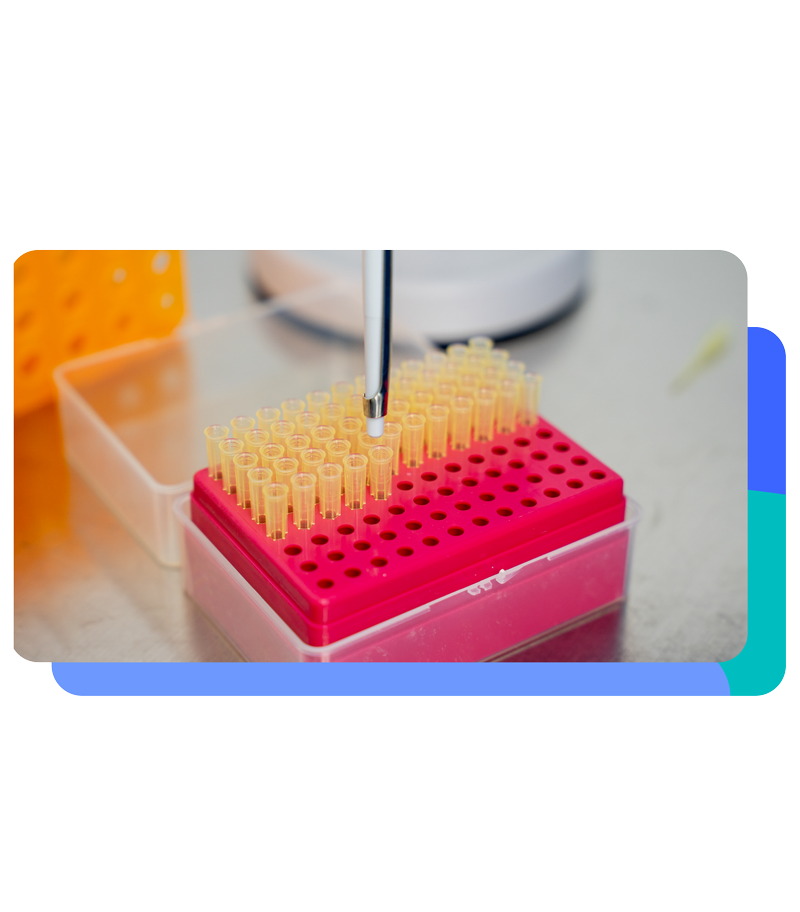
Cells are purified and concentrated in our in-house laboratory, using state-of-the-art technology to maximize their regenerative potential.
Targeted Injection
The prepared stem cells are precisely injected into the affected joints under medical guidance for optimal placement and effect.
Healing Response
Stem cells begin reducing inflammation and regenerating damaged tissues, rebalancing the immune system and promoting sustained recovery.
Clinical Benefits
Benefits of Stem Cell For Rheumatoid Arthritis
Stem cell for rheumatoid arthritis at its source, offering advantages that conventional treatments cannot provide.
Natural Healing
Promotes the body's own repair mechanisms rather than relying on synthetic drugs or invasive procedures.
Reduced Inflammation
Significantly lowers chronic inflammation the primary driver of joint damage and pain in rheumatoid arthritis.
Improved Joint Function
Patients commonly report enhanced mobility, reduced morning stiffness, and a return to daily activities.
Long-Term Relief
Unlike temporary symptom management, stem cell for rheumatoid arthritis may deliver sustained, lasting results over time.
Minimally Invasive
A non-surgical procedure with minimal downtime no lengthy hospital recovery or surgical complications.
Immune System Rebalancing
Helps modulate the overactive immune response that causes RA, stem cell for rheumatoid arthritis addressing the underlying autoimmune dysfunction.
Patient Selection
Who Is a Good Candidate?
- You have moderate to severe stem cell for rheumatoid arthritis with ongoing joint inflammation
- Conventional treatments (medications, physical therapy) have not provided adequate relief
- You are seeking a non-surgical, regenerative alternative to joint replacement
- You are interested in addressing the stem cell for rheumatoid arthritis root cause, not just managing symptoms
- You are in generally stable health and able to travel to Panama City for treatment

mORE INFO
Stem cell for rheumatoid arthritis is an emerging regenerative approach being studied for its potential to reduce inflammation and regulate the immune system. Mesenchymal stem cells (MSCs) may help support the body’s natural healing processes by targeting inflammatory responses associated with rheumatoid arthritis.
Research suggests that stem cell therapy for rheumatoid arthritis may promote tissue repair, improve joint function, and help manage symptoms in some patients. Early clinical studies have shown encouraging results, but this treatment is still under investigation, and additional research is needed to confirm its long-term safety and effectiveness.
As regenerative medicine continues to advance, stem cell for rheumatoid arthritis may become an important complement to conventional treatment options. Patients considering stem cell therapy should consult qualified healthcare professionals to discuss available therapies, current evidence, and whether clinical trials or other treatment options may be appropriate for their condition.
Stem cell therapy for rheumatoid arthritis is an emerging regenerative approach that may help reduce inflammation and support joint health. Research on mesenchymal stem cells suggests potential benefits for immune regulation, mobility, and tissue repair. Regenerate Panama provides personalized regenerative medicine options for individuals exploring innovative approaches to rheumatoid arthritis.
FAQs — Stem Cell Treatment for Rheumatoid Arthritis
Stem cell therapy for rheumatoid arthritis (RA) uses mesenchymal stem cells (MSCs) to help regulate an overactive immune system and reduce the chronic joint inflammation that drives RA symptoms. Unlike traditional RA medications that broadly suppress the immune system, MSCs are being studied for their ability to modulate immune activity more selectively while supporting tissue repair in affected joints.
Mesenchymal stem cells have immunomodulatory properties, meaning they can help regulate the immune response responsible for attacking joint tissue in RA. Rather than only masking symptoms, the goal is to address inflammation at a cellular level — potentially reducing joint pain, swelling, and stiffness while supporting the body's own repair processes.
No. Stem cell therapy for RA is not currently approved by the FDA as a cure, and major medical institutions, including Mayo Clinic, note that it remains under active research and isn't yet widely available as a standard treatment. Current evidence comes primarily from early-phase clinical studies showing promising but not conclusive results. Patients should treat it as an emerging option, not a guaranteed fix.
Standard RA treatments steroids, methotrexate, biologics like infliximab work by broadly suppressing immune activity, which can be effective but often comes with side effects such as increased infection risk or organ strain over time. Stem cell therapy is being studied as a way to more specifically regulate the immune dysfunction driving RA, potentially with a different side-effect profile, though long-term comparative data is still limited.
Research suggests MSC therapy may help reduce inflammation and joint pain in some RA patients by modulating immune activity and supporting damaged tissue. However, individual results vary significantly, and stem cell therapy should be viewed as a potential complement to not necessarily a replacement for a patient's broader RA management plan.
Candidates are typically RA patients who have ongoing symptoms despite conventional treatment, or who are looking for additional options alongside their current care plan. Because RA varies widely in severity and progression, a clinical evaluation is necessary to determine whether stem cell therapy is appropriate for your specific case.
Stem cell rheumatoid arthritis therapy is being studied because mesenchymal stem cells (MSCs) may help regulate immune responses, reduce inflammation, and potentially limit processes associated with joint and bone damage. Early research has reported therapeutic benefits, but further clinical studies are needed to establish its effectiveness
Timelines vary by patient and are influenced by disease severity, overall health, and individual response to treatment. Some patients report changes within weeks, while for others, improvement if it occurs develops more gradually. There's no universal timeline, which is why patient-specific follow-up and monitoring matter.
Stem cell therapy for rheumatoid arthritis is being researched for its potential to reduce inflammation and regulate abnormal immune responses. Mesenchymal stem cells (MSCs) may also produce growth factors involved in tissue repair, although further clinical research is needed to establish their effectiveness and long-term benefits
The Future of Joint Care
From Symptom Management to Actual Healing
With ongoing advances in regenerative medicine, stem cell for rheumatoid arthritis is becoming more effective and accessible. It represents a genuine paradigm shift and a real source of hope for long-term relief and an improved quality of life.