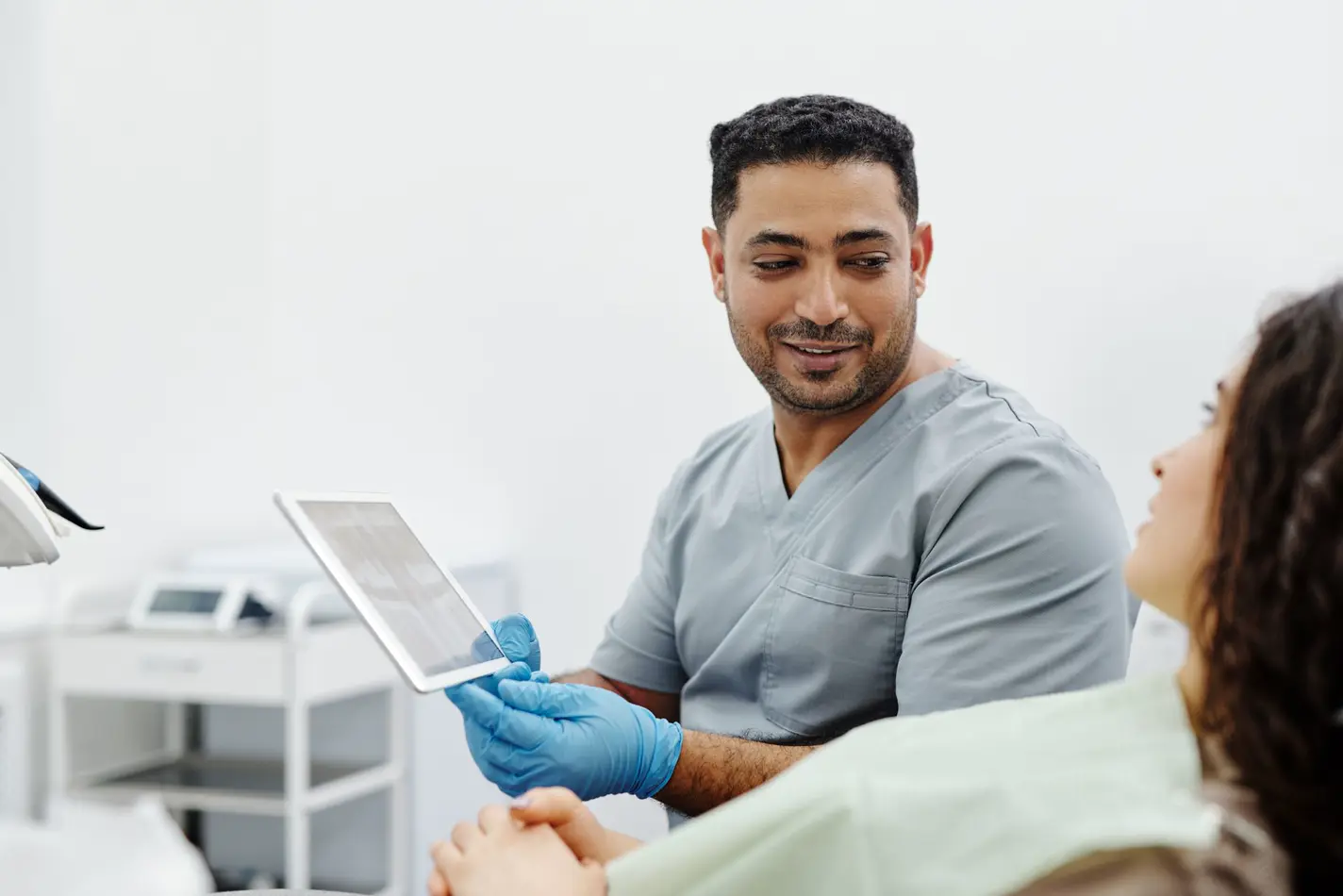
The Case for Personalized Care
Interest in personalized stem cell therapy is growing as patients look beyond symptom control. This article explains what personalization means in practice and why it matters in regenerative medicine.
- Stem Cells
- 2 min

06/27/2026
What Patients Now Ask For
People living with long-term illness increasingly ask about repair as well as symptom relief. Conditions such as ulcerative colitis, autoimmune joint disease and some neurological disorders have all drawn research interest in regenerative medicine in recent years. Personalized medicine, which tailors care to the individual, sits at the centre of this change.
Where the Cells Come From
Mesenchymal stem cells are found in several tissues, and research groups have worked with cells from different sources, including bone marrow, fat tissue and umbilical cord tissue. Scientists are studying how these cells may help calm inflammation and support damaged tissue. Evidence is building gradually, and many questions remain open.
At Regeneration Clinic, we use mesenchymal stem cells from the Wharton’s Jelly of donated umbilical cords, produced in our in-house laboratory.
What Personalization Means
A personalized approach starts from the patient’s own details instead of a fixed protocol. In practice, a medical team looks at:
- The diagnosis and how long it has been present
- Current and past treatments
- Other health conditions and medication
- Personal goals and daily life
Why It Matters
Two people with the same diagnosis can differ in disease activity, health history and expectations. A plan built around those differences is easier to evaluate honestly, and it makes it clearer when treatment is not the right choice. It also gives patient and doctor a shared starting point, so later changes can be compared with where things began.
At Regeneration Clinic Panama, a medical evaluation decides whether treatment is appropriate, results vary between patients, and follow-up continues with check-ins at 1, 3, 6, 9 and 12 months after treatment.
06/27/2026
Related Articles

- Stem Cells
- 2 min
Comparing Clinics Before You Travel
Article overview
Choosing a regenerative medicine clinic is a significant decision. These are the points worth comparing, from the medical team and the laboratory to evaluation and follow-up.
09/15/2026

- Stem Cells
- 2 min
Why Cellular Medicine Is Drawing More Attention
Article overview
Personalized care has made cellular medicine a growing area of interest. This overview looks at research in digestive, joint and back conditions, and why careful medical guidance matters.
08/10/2026

- Stem Cells
- 2 min
A Patient’s Introduction to Regenerative Medicine
Article overview
New to regenerative medicine? This introduction explains what the field studies, where research is focused in digestive, joint and back conditions, and how to approach treatment decisions.
08/10/2026
Frequently asked questions
Read Full FAQAnswers about safety, cost and what to expect.
Our proprietary stem cell standard, refined over 10 years of research and treatment. Sourced from Wharton’s Jelly and produced entirely in-house.
The most common side effect is temporary pain at the injection site. Headache, nausea or fatigue happen rarely and usually resolve within 24 hours. No long-term side effects have been documented to date.
In the US, FDA approval follows a long, costly path for each specific product and condition, and for most conditions mesenchymal stem cell therapy hasn’t completed that path yet. Research continues worldwide, with hundreds of clinical trials underway. Patients travel to Panama for access they can’t get at home, delivered with in-house production, image-guided precision and a team that tells them honestly what to expect.
We treat neurological, autoimmune, orthopedic and sports, cardiovascular and fertility conditions, autism, and support healthy aging. Our medical team reviews every case individually before recommending a protocol.
Yes. Treatment takes place at our clinic in Panama City. Your consultation and case review happen remotely before you book any travel.
Protocols start at $10,000 USD, and your exact cost depends on your protocol. Treatment is not covered by insurance.

Still have a question?
Ask us directly. A patient advocate will reply personally.