
Stem Cell Therapy for Inflammatory Bowel Disease in Panama
Crohn’s disease and ulcerative colitis can take over daily life, with urgent bathroom trips, pain and fatigue that persist after years of medicines. Our protocols target what drives the disease: an overactive immune response in the gut. ALTA CELLS™ calm that inflammation, alongside the care you already receive.

Medically reviewed by:Javier E. Garrido L.MD, MSc
On this page
What is IBD?
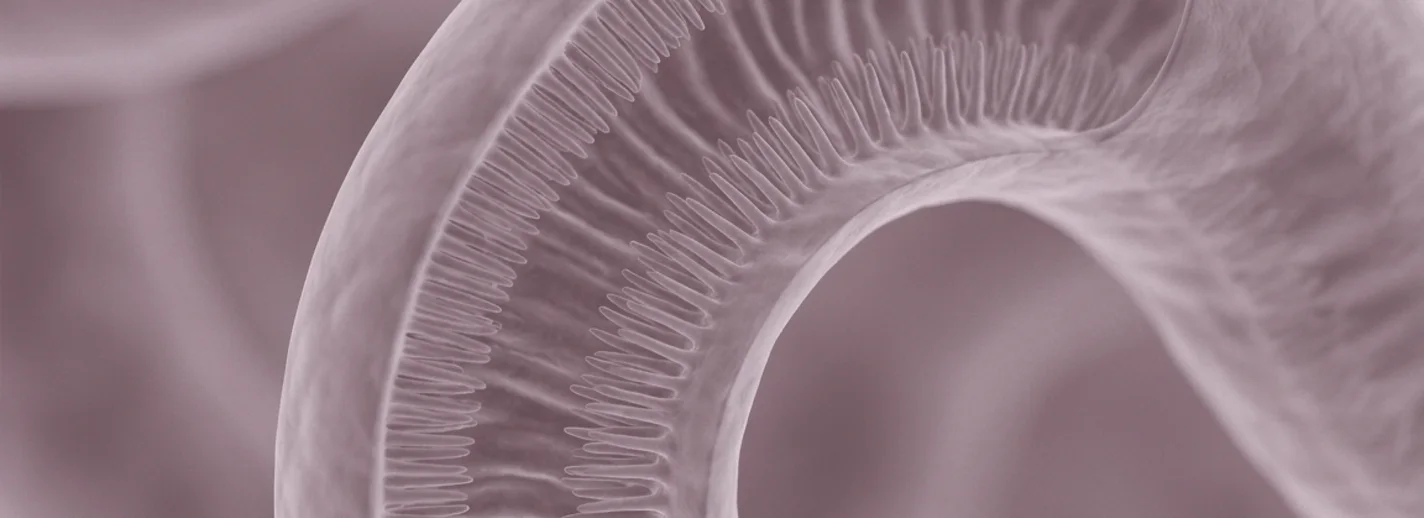
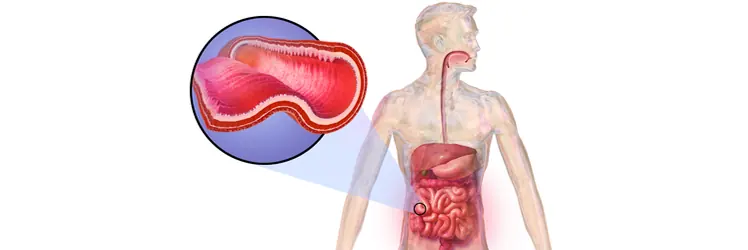
Inflammatory bowel disease (IBD) is a group of long-term conditions in which the immune system keeps the lining of the digestive tract inflamed. The two main forms are Crohn’s disease, which can affect any part of the digestive tract and often reaches deep into the bowel wall, and ulcerative colitis, which affects the inner lining of the colon and rectum. IBD usually moves between flares and calmer periods. Over time, ongoing inflammation can lead to strictures, fistulas, weight loss and a higher risk of colon cancer, so regular monitoring by a gastroenterologist matters.
At Regeneration Clinic Panama, we take an individualized approach to your care. Our medical team will review your condition, medical history, and individual needs to help you understand your treatment options.
Book a ConsultationCommon signs and symptoms
Severe pain, heavy bleeding, high fever or signs of a bowel blockage need urgent medical care.
- Persistent diarrhea, sometimes with blood or mucus
- Abdominal pain and cramping
- Urgent need to use the bathroom
- Fatigue that rest does not relieve
- Unintended weight loss and poor appetite
- Fever during flares
- Pain or drainage near the anus (fistulas, more common in Crohn’s)
- Joint pain, skin or eye inflammation
How IBD is usually treated
Gastroenterologists tailor IBD care to the type, location and severity of disease. Treatment can include aminosalicylates, short courses of corticosteroids, immunomodulators, and advanced therapies such as biologics and small-molecule medicines that target specific parts of the immune response. Nutrition support and, for some people, surgery are also part of care. These treatments help many people reach remission. Others lose response over time, cycle through several medicines, depend on steroids or face repeat surgery, and they look for additional ways to calm the immune system.

How stem cell therapy works for IBD
In IBD, immune cells keep sending inflammatory signals into the gut lining, and the tissue struggles to heal between flares. Mesenchymal stem cells regulate immune activity: mesenchymal stem cells reduce inflammatory signals, support regulatory T cells and release growth factors that help the gut lining repair. Research has looked at mesenchymal stem cells given by IV for Crohn’s disease and ulcerative colitis, and by local injection for perianal fistulas. We use mesenchymal stem cells from the Wharton’s Jelly of donated umbilical cords, delivered by IV and, in selected cases, by other routes your physician recommends.
Every patient with Crohn’s disease or ulcerative colitis has a different history and set of needs, so we start with a full evaluation. Your physician reviews your history, symptoms, previous treatments and test results before deciding whether a regenerative protocol is appropriate. When it is, cell therapy becomes one part of a personalized care plan.
Regenerative medicine is moving fast. Every protocol is planned by our physicians around your own case, history and goals.
What the research says
Independent research from teams around the world, summarized in plain language. Open any study on PubMed and bring it to your consultation.
- Source link
A randomized controlled trial in 82 people with Crohn’s disease on long-term steroids compared umbilical cord mesenchymal stem cell infusions plus usual care with usual care alone.
At 12 months, the mesenchymal stem cell group had larger drops in disease activity scores and steroid use; 4 patients had a fever after infusion and no serious side effects were reported.
- Source link
A controlled study in 70 people with moderate to severe ulcerative colitis compared umbilical cord mesenchymal stem cell infusions added to standard treatment with standard treatment plus saline.
The mesenchymal stem cell group showed lower Mayo and tissue inflammation scores and better quality-of-life scores during follow-up, with no evident adverse reactions.
- Source link
A large phase 3 placebo-controlled trial in 568 people with Crohn’s disease and complex perianal fistulas tested fat-derived (adipose) mesenchymal stem cells injected locally into the fistula.
Remission at 24 weeks was similar with mesenchymal stem cells (48.8%) and placebo (46.3%), and no new safety concerns appeared.
In a randomized trial in Crohn’s disease, umbilical cord mesenchymal stem cell infusions lowered disease activity and steroid use at 12 months, and in ulcerative colitis they improved inflammation and quality-of-life scores. Read the key studies below.
Who is a candidate for stem cell therapy for inflammatory bowel disease?
You could be a strong candidate if you:
- Have a diagnosis of Crohn’s disease or ulcerative colitis confirmed by a gastroenterologist
- Have tried aminosalicylates, steroids, immunomodulators or biologics
- Live with ongoing flares, steroid dependence or a fading response to medicines
- Can share recent colonoscopy reports, imaging and lab results
- Want a team that measures your progress and shares every result with you
Our medical team decides suitability after reviewing each case.
What treatment for inflammatory bowel disease looks like in Panama
Before Treatment
Before you book a flight, our physicians review your records and tell you clearly whether you are a candidate and what your protocol includes.
During Your Stay
Once you’re accepted, your medical team and a dedicated coordinator guide you through every day of treatment in Panama City.
After Treatment
We follow up at 1, 3, 6, 9 and 12 months after treatment and adjust your plan as needed.

Schedule a personalized consultation to discuss your medical history, treatment goals, and potential care options.
Book a ConsultationRelated articles

- Orthopedic & Sports
- 2 min
Sports Injuries: Where to Begin
Article overview
Strains, sprains and tendon problems can stall training for weeks. Here is how regenerative medicine fits into sports injury care, and why a personal evaluation comes first.
10/08/2026

- Orthopedic & Sports
- 2 min
Chronic Pain Starts With the Cause
Article overview
Long-lasting pain affects walking, work and sleep. Before weighing any treatment, it helps to understand where the pain comes from and what regenerative research is looking at.
10/08/2026

- Orthopedic & Sports
- 2 min
Recovery Goals After an Injury
Article overview
A sports injury can happen on the field, at the gym or on a morning walk. This piece looks at the tissues involved and at what a full recovery means for active people.
10/06/2026
Real Patients. Real Results.
Real patients, in their own words. Every person’s response to treatment is their own.



- Takes less than 2 minutes
- No commitment
- Takes less than 2 minutes
- No commitment
Your questions
Read Full FAQAnswers about safety, cost and what to expect.
Both. Crohn’s disease and ulcerative colitis are the two main forms of inflammatory bowel disease, and our physicians evaluate each person according to their diagnosis, disease location, current medicines and history.
Never stop a prescribed medicine on your own. Our physicians review every medicine you take and coordinate with your gastroenterologist so your care stays safe and continuous.
Local mesenchymal stem cell injections for Crohn’s fistulas have been tested in large trials with mixed results. Your physician will review your imaging and explain whether this approach makes sense for you and what is realistic.
It depends on how severe the flare is. A severe flare, infection or abscess needs treatment first. Our physicians review your recent tests before confirming whether and when mesenchymal stem cell therapy is appropriate.
Mesenchymal stem cells are among the most studied therapies in medicine, recognized for medical use in the European Union and Australia, and the FDA approved the first product in December 2024. For most conditions, US patients can only reach them through clinical trials, where some receive a placebo. In Panama, you are treated as a patient, with cells made in our own lab.
Protocols start at $6,000 USD, and your exact cost depends on your protocol. Treatment is not covered by insurance.

Still have a question?
Ask us directly. A patient advocate will reply personally.