
Type 1 Diabetes and stem cell therapy
Type 1 diabetes means checking glucose, counting carbs and adjusting insulin every single day. Our approach focuses on the immune activity behind the condition and on protecting the insulin your body still makes.

Medically reviewed by:Javier E. Garrido L.MD, MSc
On this page
What is type 1 diabetes?
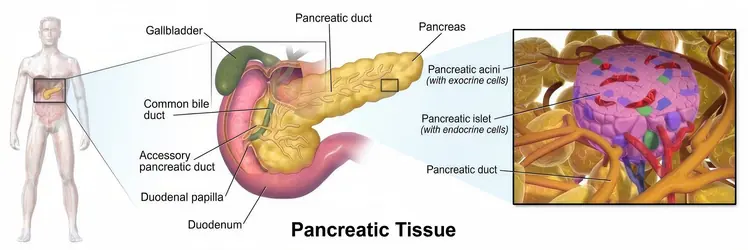
Type 1 diabetes is an autoimmune condition. The immune system attacks the beta cells in the pancreas, the cells that make insulin. Without enough insulin, glucose builds up in the blood and the body cannot use it for energy. Type 1 diabetes is often diagnosed in children and young adults, and it can begin at any age. People with type 1 diabetes need insulin every day. Many still make a small amount of their own insulin in the first years after diagnosis, measured by a blood marker called C-peptide.
At Regeneration Clinic Panama, we take an individualized approach to your care. Our medical team will review your condition, medical history, and individual needs to help you understand your treatment options.
Book a ConsultationCommon signs and symptoms
Symptoms can appear quickly over weeks, and nausea or vomiting with high glucose can signal diabetic ketoacidosis, which needs emergency care.
- Frequent urination
- Strong thirst and hunger
- Unexplained weight loss
- Fatigue
- Blurry vision
- Irritability or mood changes
- Nausea, vomiting or stomach pain
- Frequent infections
How type 1 diabetes is usually treated
Today, care for type 1 diabetes centers on insulin, given by injections or an insulin pump, together with glucose monitoring, often with a continuous glucose monitor. Automated insulin delivery systems link the two, and some people also work with dietitians and diabetes educators. These tools have greatly improved daily life. They replace insulin, and the immune attack on the pancreas continues in the background. Many people, especially after a recent diagnosis, look for additional options to protect the insulin their body still makes.

How stem cell therapy works for type 1
In type 1 diabetes, immune cells keep targeting the insulin-making beta cells. Mesenchymal stem cells regulate this immune activity: they release factors that reduce inflammation and support regulatory T cells, which helps protect remaining beta cells. In randomized trials in recently diagnosed adults, mesenchymal stem cells helped preserve the body’s own insulin production. We use mesenchymal stem cells from the Wharton’s Jelly of donated umbilical cords. Mesenchymal stem cell therapy is added to your insulin plan. You keep taking insulin and keep working with your own doctor on all medication decisions.
Every patient with type 1 diabetes has a different history and set of needs, so we start with a full evaluation. Your physician reviews your history, symptoms, previous treatments and test results before deciding whether a regenerative protocol is appropriate. When it is, cell therapy becomes one part of a personalized care plan.
Important: cellular therapy is an evolving area of medicine. Outcomes vary, and treatment decisions are made individually after a medical assessment.
What the research says
These studies were published by independent research teams. Their results are separate from our own patient outcomes.
- Source link
Phase 1/2 randomized, double-blind, placebo-controlled trial in adults diagnosed within the past 2 years, using Wharton’s Jelly mesenchymal stem cells.
In the randomized part (15 people), the body’s own insulin production (C-peptide) fell 10% with mesenchymal stem cells versus 47% with placebo after 1 year, and insulin needs stayed stable. No serious treatment-related side effects were seen.
- Source link
Randomized study of 29 people with newly diagnosed type 1 diabetes: those who received Wharton’s Jelly mesenchymal stem cells alongside intensive insulin therapy had better HbA1c and C-peptide than the saline group over about 2 years of follow-up, with no reported side effects.
- Source link
A meta-analysis of 13 randomized controlled trials (507 people with type 1 or type 2 diabetes) found that mesenchymal stem cell therapy lowered HbA1c and daily insulin needs at 12 months compared with control groups.
The authors call for larger and longer trials.
Research is early and promising, mostly in small trials of people diagnosed recently; evidence for long-standing type 1 diabetes is more limited.
Who may consider this
A personalized evaluation may be right for you if you:
- Have a confirmed diagnosis of type 1 diabetes
- Were diagnosed recently and still produce some insulin (measurable C-peptide)
- Want to support the immune side of the condition alongside insulin
- Keep working with an endocrinologist or diabetes care team at home
- Are willing to share recent labs, including HbA1c and C-peptide, with our medical team
Our medical team decides suitability after reviewing each case.
What to expect
Before Treatment
Our team reviews your medical history and diagnostic information. We may recommend extra tests to understand your current health and whether you may be a candidate.
During Your Stay
If you are eligible, our medical team guides you through each stage of treatment and provides clinical support throughout.
After Treatment
We follow up at 1, 3, 6, 9 and 12 months after treatment and adjust your plan as needed.

Schedule a personalized consultation to discuss your medical history, treatment goals, and potential care options.
Book a ConsultationRelated articles

- Orthopedic & Sports
- 2 min
Sports Injuries: Where to Begin
Article overview
Strains, sprains and tendon problems can stall training for weeks. Here is how regenerative medicine fits into sports injury care, and why a personal evaluation comes first.
10/08/2026

- Orthopedic & Sports
- 2 min
Chronic Pain Starts With the Cause
Article overview
Long-lasting pain affects walking, work and sleep. Before weighing any treatment, it helps to understand where the pain comes from and what regenerative research is looking at.
10/08/2026

- Orthopedic & Sports
- 2 min
Recovery Goals After an Injury
Article overview
A sports injury can happen on the field, at the gym or on a morning walk. This piece looks at the tissues involved and at what a full recovery means for active people.
10/06/2026
Real Patients. Real Results.
Patient stories share individual experiences. Results vary, and no outcome is promised.



- Takes less than 2 minutes
- No commitment
- Takes less than 2 minutes
- No commitment
Your questions
Read Full FAQAnswers about safety, cost and what to expect.
Please never stop or reduce insulin on your own. Mesenchymal stem cell therapy is added to your insulin plan, and every medication decision stays with your own doctor. Results vary, and no outcome is promised.
Yes. Most research involves people diagnosed within the past 1 to 2 years who still make some insulin. Your physician reviews your C-peptide and history to discuss what may be realistic for you.
We track HbA1c, C-peptide, glucose patterns and daily insulin needs, and share results with your diabetes care team.
Mesenchymal stem cells are recognized for medical use in the European Union and Australia, with hundreds of clinical trials underway worldwide. In December 2024, the FDA approved the first mesenchymal stem cell product in the United States, for steroid-refractory acute graft-versus-host disease in children. For other conditions, mesenchymal stem cell therapy is not FDA-approved in the US.
Protocols start at $10,000 USD, and your exact cost depends on your protocol. Treatment is not covered by insurance. Results vary from patient to patient and no outcome is promised.

Still have a question?
Ask us directly. A patient advocate will reply personally.