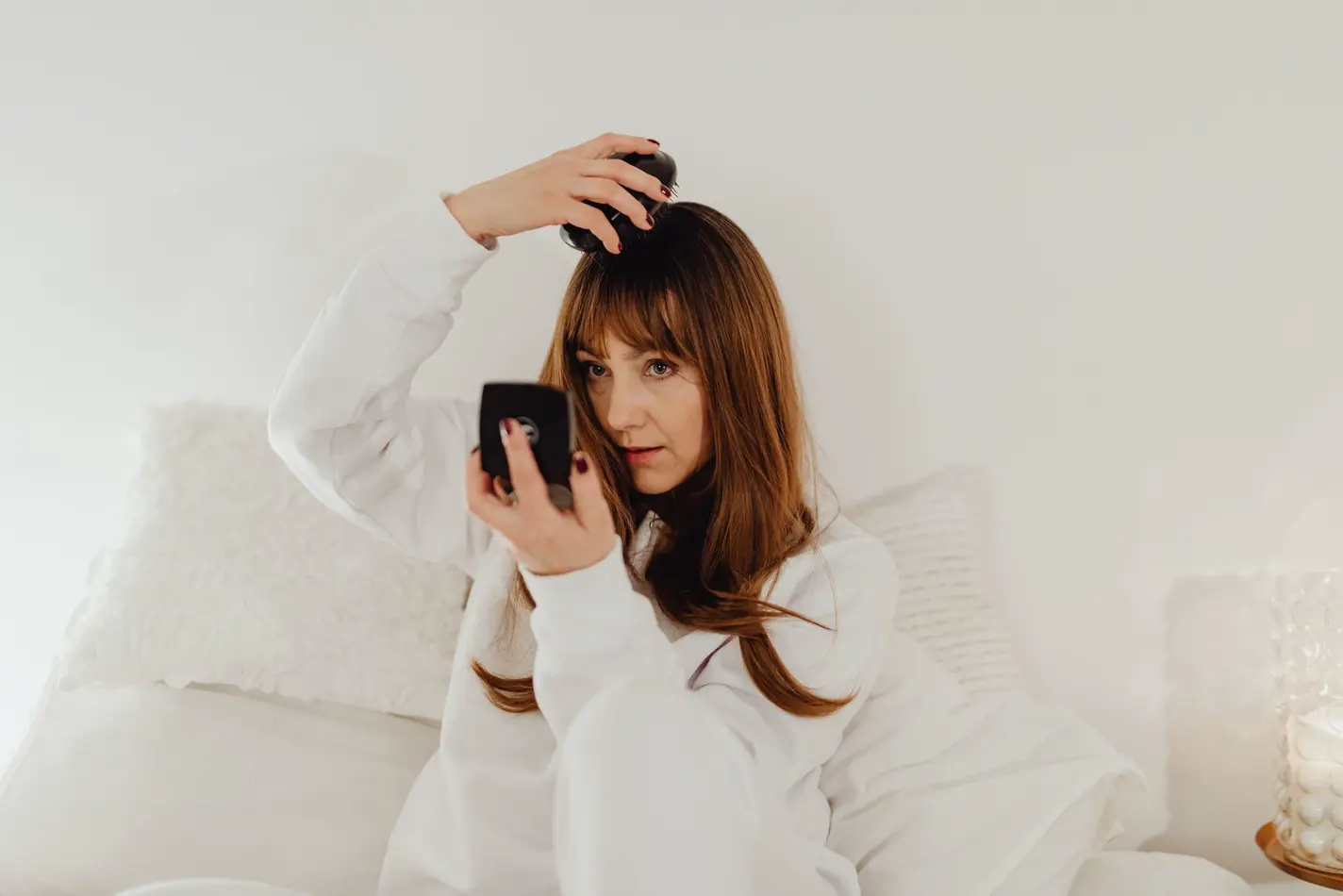
Thinning Hair: The Basics
Hair loss affects many men and women. Learn how mesenchymal stem cells are being studied for thinning hair, how treatment is given and who may be a good fit.
- Anti-Aging
- 2 min

04/02/2026
A Common Concern
Thinning hair is one of the most common reasons people visit a dermatologist. It can begin gradually at the crown or hairline, or show as a widening part. For many people the change affects confidence as much as appearance, and they want to understand every option before choosing one.
Hair loss is not one condition. Inherited thinning, patchy loss and shedding after illness or stress each have different causes, so understanding which one you have is the first step before any treatment is discussed.
How Hair Grows
Each hair grows from a follicle that cycles through phases of growth, rest and shedding. In pattern hair loss, follicles slowly shrink and the growth phase becomes shorter, so each new hair is finer than the last. Over time some follicles stop producing visible hair.
What Cell Therapy Aims to Do
Mesenchymal stem cells release growth factors and other signals. Researchers are studying whether these signals can support the follicle’s environment by improving blood supply and easing inflammation in the scalp. The research is early, and results vary between patients.
The cells we use at Regeneration Clinic are mesenchymal stem cells from the Wharton’s Jelly of donated umbilical cords, produced in our in-house laboratory.
The Treatment Visit
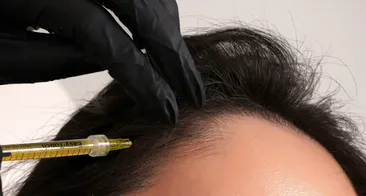
After a scalp assessment, the cells are injected into the thinning areas, usually with a local anesthetic for comfort. The visit is short and most people return to normal activities the next day. Any change in hair density appears gradually, over several months.
Who Is a Candidate
A medical evaluation decides whether treatment is appropriate. Doctors usually consider:
- The cause and pattern of your hair loss
- Whether follicles in the area are still active
- Your general health and medications
- Treatments you have already tried
04/02/2026
Related Articles
- Anti-Aging
- 2 min
Hair Thinning and the Science of Cell Signalling
Article overview
Hair thins for many reasons, from genetics to stress. Researchers are studying how cell signalling around the follicle might support regrowth. Here is what that research involves.
06/29/2026

- Anti-Aging
- 2 min
How Cell Therapy Is Being Studied for Healthy Aging
Article overview
Wrinkles, lower energy and slower recovery come with getting older. This article explains what researchers are studying about mesenchymal stem cells and aging, and what patients can realistically expect.
04/02/2026

- Anti-Aging
- 2 min
Hair Restoration: Questions First
Article overview
Stem cell treatment for hair loss is one option among several. These questions help you compare approaches and decide whether an evaluation for regenerative care makes sense.
02/11/2026
Frequently asked questions
Read Full FAQAnswers about safety, cost and what to expect.
Our proprietary stem cell standard, refined over 10 years of research and treatment. Sourced from Wharton’s Jelly and produced entirely in-house.
The most common side effect is temporary pain at the injection site. Headache, nausea or fatigue happen rarely and usually resolve within 24 hours. No long-term side effects have been documented to date.
In the US, FDA approval follows a long, costly path for each specific product and condition, and for most conditions mesenchymal stem cell therapy hasn’t completed that path yet. Research continues worldwide, with hundreds of clinical trials underway. Patients travel to Panama for access they can’t get at home, delivered with in-house production, image-guided precision and a team that tells them honestly what to expect.
We treat neurological, autoimmune, orthopedic and sports, cardiovascular and fertility conditions, autism, and support healthy aging. Our medical team reviews every case individually before recommending a protocol.
Yes. Treatment takes place at our clinic in Panama City. Your consultation and case review happen remotely before you book any travel.
Protocols start at $10,000 USD, and your exact cost depends on your protocol. Treatment is not covered by insurance.

Still have a question?
Ask us directly. A patient advocate will reply personally.