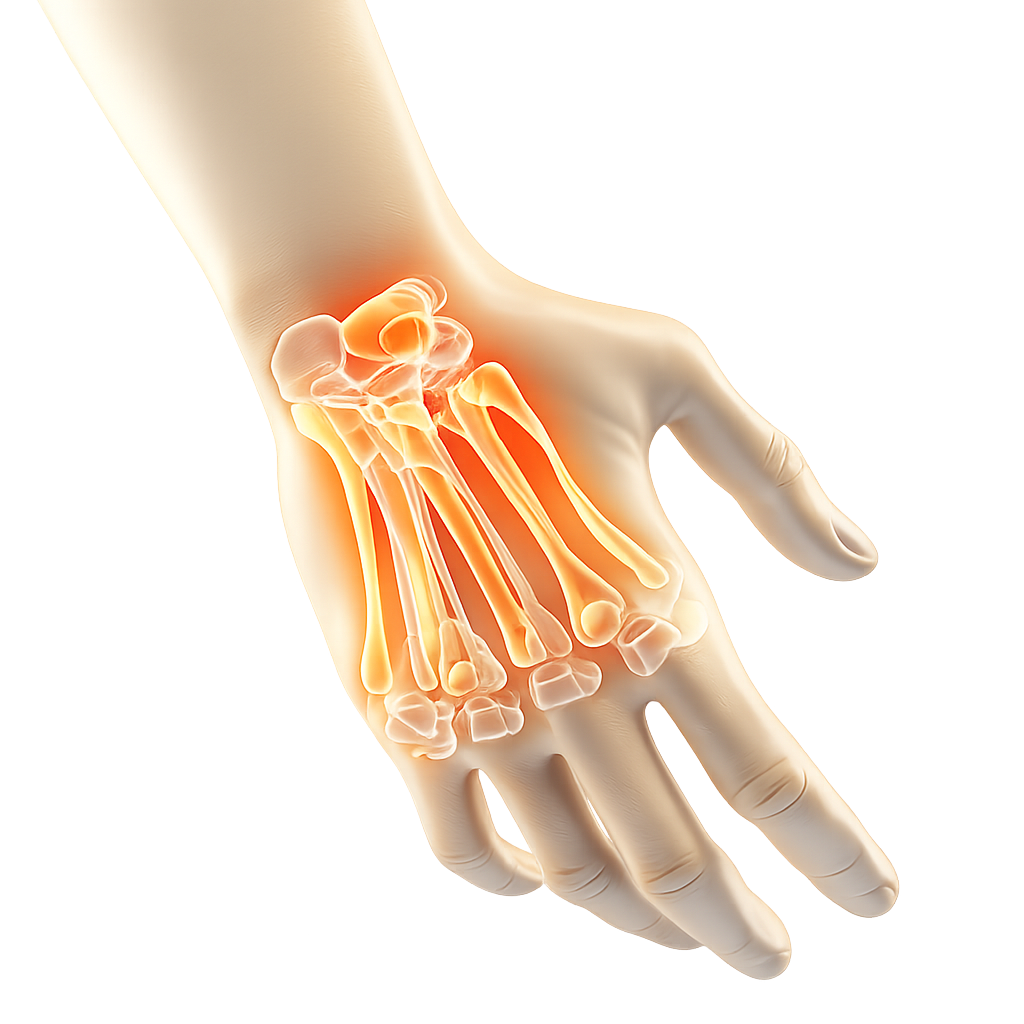
A revolutionary, minimally invasive approach designed to support joint regeneration, reduce inflammation, and improve mobility without surgery.
Stem cell therapy for arthritis is an emerging regenerative treatment being studied for its potential to reduce joint pain, improve mobility, and support overall joint function. Research on knee arthritis has reported improvements in pain and physical function in some patients, although results can vary depending on the treatment approach and individual condition.
Current research is also exploring whether stem cell therapy may support tissue repair and cartilage health. While early findings are promising, more high-quality research is needed to determine its long-term effectiveness and ability to regenerate damaged cartilage. For patients considering stem cell therapy for arthritis, a medical evaluation can help determine whether this regenerative approach may be appropriate for their condition.
Best stem cell therapy for arthritis is transforming the way chronic joint conditions are treated. Arthritis affects millions of people worldwide and is commonly caused by cartilage degeneration, autoimmune inflammation, wear-and-tear of joints, or injury-related damage. It often leads to pain, stiffness, swelling, and reduced mobility.
Conventional treatments such as pain medications, steroid injections, and physical therapy may provide temporary relief, but they often do not address the underlying joint degeneration. Best stem cell therapy for arthritis focuses on regenerative healing, aiming to support tissue repair and reduce inflammation at the source of the condition.
By encouraging the body’s natural healing response, this innovative therapy may help improve joint function, reduce discomfort, and enhance long-term mobility and quality of life.
Stem cells are collected from the patient’s own bone marrow or fat tissue, or from carefully screened donor sources to ensure high regenerative quality and compatibility.
Processing & Preparation
The collected cells are purified and concentrated in a specialized laboratory using advanced medical technology to enhance their regenerative potential.
Targeted Injection
Prepared stem cells are precisely injected into affected joints such as knees, hips, shoulders, or hands, under expert medical guidance for accurate placement.
Healing Response
Best stem cell therapy for arthritis works by supporting cartilage repair, reducing inflammation, improving joint lubrication, and enhancing overall joint function over time.
Clinical Benefits
Benefits of Best Stem Cell Therapy for Arthritis
Best stem cell therapy for arthritis focuses on improving joint health and function rather than only managing symptoms temporarily.
Natural Tissue Repair
Supports the body’s ability to repair damaged cartilage and joint tissues.
Reduced Inflammation
Helps decrease chronic inflammation responsible for pain, swelling, and stiffness.
Improved Mobility
May enhance flexibility, movement, and daily physical activity.
Pain Relief Support
Helps reduce joint discomfort by addressing underlying degeneration.
Delayed Progression
May help slow down the progression of degenerative joint disease.
Minimally Invasive
A non-surgical procedure with minimal downtime and faster recovery compared to joint surgery.
Patient Selection
Who Is a Good Candidate?
You suffer from osteoarthritis or degenerative joint disease
You experience chronic joint pain, stiffness, or swelling
You have reduced mobility affecting daily activities
Conventional treatments have not provided sufficient long-term relief
You are seeking best stem cell therapy for arthritis as a non-surgical alternative
Best stem cell therapy for arthritis is a regenerative treatment that uses stem cells to help reduce joint inflammation, support cartilage repair, and improve mobility naturally. It focuses on addressing the root cause of arthritis rather than only managing pain symptoms.
Best stem cell therapy for arthritis works by collecting stem cells from the patient’s body (fat or bone marrow), processing them in a lab, and injecting them into affected joints. These cells may help reduce inflammation, support tissue repair, and improve overall joint function over time.
Best stem cell therapy for arthritis may be suitable for individuals experiencing osteoarthritis, joint stiffness, swelling, or reduced mobility. It is often considered by patients who have not found sufficient relief from medications, physical therapy, or other conventional treatments.
No, best stem cell therapy for arthritis is a minimally invasive, non-surgical procedure. It is designed to support natural healing and typically involves injections rather than invasive surgery or joint replacement.
Stem cell treatment for arthritis is an emerging regenerative approach being studied for its potential to reduce joint pain and improve physical function. Current research shows promising results, but more evidence is needed to determine its long-term effectiveness and ability to repair damaged cartilage
The best stem cell therapy for arthritis depends on the affected joint, severity of symptoms, overall health, and the type of cellular therapy being considered. Because treatment approaches and evidence vary, patients should discuss their options with a qualified medical professional before choosing a regenerative treatment
The Future of Arthritis Treatment
From Symptom Management to Regenerative Healing
From symptom management to regenerative healing, best stem cell therapy for arthritis is emerging as a promising option for patients seeking long-term joint health improvement without invasive surgery. This approach focuses on cartilage regeneration, inflammation reduction, and restoring joint function naturally.
For many individuals, it represents a new path toward improved mobility, reduced pain, and a better quality of life.
Masrori, P., & Van Damme, P. (2020). Amyotrophic lateral sclerosis: a clinical review. European Journal of Neurology: The Official Journal of the European Federation of Neurological Societies, 27(10), 1918-1929. https://doi.org/10.1111/ene.14393
Sivandzade, F., & Cucullo, L. (2021). Regenerative stem cell therapy for neurodegenerative diseases: An overview. International Journal of Molecular Sciences, 22(4), 2153. https://doi.org/10.3390/ijms22042153
Shen, Z., Huang, W., Liu, J., Tian, J., Wang, S., & Rui, K. (2021c). Effects of mesenchymal stem Cell-Derived exosomes on autoimmune diseases. Frontiers in Immunology, 12. https://doi.org/10.3389/fimmu.2021.749192
Rheumatoid arthritis
References
Scherer, H., Häupl, T., & Burmester, G. R. (2020). The etiology of rheumatoid arthritis. Journal of Autoimmunity, 110, 102400. https://doi.org/10.1016/j.jaut.2019.102400
Sarsenova, M., Issabekova, A. S., Abisheva, S. D., Rutskaya-Moroshan, K., Ogay, V., & Saparov, A. (2021). Mesenchymal stem Cell-Based therapy for rheumatoid arthritis. International Journal of Molecular Sciences, 22(21), 11592. https://doi.org/10.3390/ijms222111592
Systemic Lupus Erythematosus
References
Fava, A., & Petri, M. (2019). Systemic lupus erythematosus: Diagnosis and clinical management. Journal of Autoimmunity, 96, 1–13. https://doi.org/10.1016/j.jaut.2018.11.001
Li, A., Guo, F., Pan, Q., Chen, S., Chen, J., & Liu, H. (2021). Mesenchymal stem cell therapy: hope for patients with systemic lupus erythematosus. Frontiers in Immunology, 12. https://doi.org/10.3389/fimmu.2021.728190
Multiple Sclerosis
References
Dobson, R., & Giovannoni, G. (2019). Multiple sclerosis – a review. European Journal of Neurology: The Official Journal of the European Federation of Neurological Societies, 26(1), 27–40. https://doi.org/10.1111/ene.13819
Jafarzadeh Bejargafshe, M., Hedayati, M., Zahabiasli, S., Tahmasbpour,E.,Rahmanzadeh,S., & Nejad-Moghaddam, A. (2019). Safety and efficacy of stem cell therapy for treatment of neural damage in patients with multiple sclerosis. Stem Cell Investigation, 6, 44. https://doi.org/10.21037/sci.2019.10.06
Masrori, P., & Van Damme, P. (2020). Amyotrophic lateral sclerosis: a clinical review. European Journal of Neurology, 27(10), 1918–1929. https://doi.org/10.1111/ene.14393
Sivandzade, F., & Cucullo, L. (2021). Regenerative stem cell therapy for Neurodegenerative Diseases: An Overview. International Journal of Molecular Sciences, 22(4), 2153. https://doi.org/10.3390/ijms22042153
IBD Inflammatory bowel disease
References
Inflammatory bowel disease (IBD). (2023b, April 17). Centers for Disease Control and Prevention. https://www.cdc.gov/ibd/
Ko, J. Z., Johnson, S., & Dave, M. (2021c). Efficacy and Safety of Mesenchymal Stem/Stromal cell therapy for inflammatory bowel Diseases: An Up-to-Date Systematic Review. Biomolecules, 11(1), 82. https://doi.org/10.3390/biom11010082
Systemic vasculitis
References
Shen, Z., Huang, W., Liu, J., Tian, J., Wang, S., & Rui, K. (2021e). Effects of mesenchymal stem Cell-Derived exosomes on autoimmune diseases. Frontiers in Immunology, 12. https://doi.org/10.3389/fimmu.2021.749192
Liu, Y., Yan, L. M., Wan, L., Xiang, T. X., Le, A., Liu, J. M., … & Zhang, W. (2020). Viral dynamics in mild and severe cases of COVID-19. Cell & Bioscience, 10(1), 1-7. https://www.nature.com/articles/s41419-020-2542-9
Angina/Coronary Heart Disease
References
National Center for Biotechnology Information. (2016). Drinking Water Arsenic and Cardiovascular Disease. Environmental Health Perspectives, 124(6), A106-A107. https://www.ncbi.nlm.nih.gov/pmc/articles/PMC4958723/
Yun, C. W., & Lee, S. Y. (2019). Enhancement of functionality and therapeutic efficacy of Cell-Based therapy using mesenchymal stem cells for cardiovascular disease. International Journal of Molecular Sciences, 20(4), 982. https://doi.org/10.3390/ijms20040982
Xiong, Y., Gong, Z., Tang, R., & Yang, Y. (2021). The pivotal roles of exosomes derived from endogenous immune cells and exogenous stem cells in myocardial repair after acute myocardial infarction. Theranostics, 11(3), 1046–1058. https://doi.org/10.7150/thno.53326
Cushing, K., & Higgins, P. D. R. (2021). Management of Crohn disease: A review: A review. JAMA: The Journal of the American Medical Association, 325(1), 69-80. https://doi.org/10.1001/jama.2020.18936
Wang, R., Yao, Q., Chen, W., Gao, F., Li, P., Wu, J., Yu, J., & Cao, H. (2021). Stem cell therapy for Crohn’s disease: systematic review and meta-analysis of preclinical and clinical studies. Stem Cell Research & Therapy, 12(1). https://doi.org/10.1186/s13287-021-02533-0
Ulcerative Colitis
References
Gajendran, M., Loganathan, P., Jimenez, G., Catinella, A. P., Ng, N., Umapathy, C., Ziade, N., & Hashash, J. G. (2019). A comprehensive review and update on ulcerative colitis. Disease-a-Month: DM, 65(12), 100851. https://doi.org/10.1016/j.disamonth.2019.02.004
Hosseini-Asl, S.-K., Mehrabani, D., & Karimi-Busheri, F. (2020). Therapeutic effect of mesenchymal stem cells in ulcerative colitis: A review on achievements and challenges. Journal of Clinical Medicine, 9(12), 3922. https://doi.org/10.3390/jcm9123922
Neurological conditions
References
Guy, R., & Offen, D. (2020). Promising opportunities for treating neurodegenerative diseases with mesenchymal stem cell-derived exosomes. Biomolecules, 10(9), 1320. https://doi.org/10.3390/biom10091320
Barthels, D., & Das, H. (2020). Current advances in ischemic stroke research and therapies. Biochimica et Biophysica Acta. Molecular Basis of Disease, 1866(4), 165260. https://doi.org/10.1016/j.bbadis.2018.09.012
Campbell, B. C. V., De Silva, D. A., Macleod, M. R., Coutts, S. B., Schwamm, L. H., Davis, S. M., & Donnan, G. A. (2019). Ischaemic stroke. Nature Reviews. Disease Primers, 5(1), 70. https://doi.org/10.1038/s41572-019-0118-8
Kawabori, M., Shichinohe, H., Kuroda, S., & Houkin, K. (2020). Clinical trials of stem cell therapy for cerebral ischemic stroke. International Journal of Molecular Sciences, 21(19), 7380. https://doi.org/10.3390/ijms21197380
Parkinson’s
References
Pradhan, A. U., Uwishema, O., Onyeaka, H., Adanur, I., & Dost, B. (2022). A review of stem cell therapy: An emerging treatment for dementia in Alzheimer’s and Parkinson’s disease. Brain and Behavior, 12(9). https://doi.org/10.1002/brb3.2740
Multiple system atrophy (MSA)
References
Goh YY, Saunders E, Pavey S, Rushton E, Quinn N, Houlden H, Chelban V. Multiple system atrophy. Pract Neurol. 2023 Jun;23(3):208-221. doi: 10.1136/pn-2020-002797. Epub 2023 Mar 16. PMID: 36927875.
Khellaf A, Khan DZ, Helmy A. Recent advances in traumatic brain injury. J Neurol. 2019 Nov;266(11):2878-2889. doi: 10.1007/s00415-019-09541-4. Epub 2019 Sep 28. PMID: 31563989; PMCID: PMC6803592.
Chronic traumatic encephalopathy
References
Pierre K, Molina V, Shukla S, Avila A, Fong N, Nguyen J, Lucke-Wold B. Chronic traumatic encephalopathy: Diagnostic updates and advances. AIMS Neurosci. 2022 Dec 19;9(4):519-535. doi: 10.3934/Neuroscience.2022030. PMID: 36660076; PMCID: PMC9826753.
Spinal cord injury
References
Alizadeh, A., Dyck, S. M., & Karimi-Abdolrezaee, S. (2019). Traumatic spinal cord injury: An overview of pathophysiology, models and acute injury mechanisms. Frontiers in neurology, 10. https://doi.org/10.3389/fneur.2019.00282
Cofano, F., Boido, M., Monticelli, M., Zenga, F., Ducati, A., Vercelli, A., & Garbossa, D. (2019). Mesenchymal stem cells for spinal cord injury: Current options, limitations, and future of cell therapy. International Journal of Molecular Sciences, 20(11), 2698. https://doi.org/10.3390/ijms20112698
Looi, Q. H., Eng, S. P., Liau, L. L., Tor, Y. S., Bajuri, M. Y., Ng, M. H., & Law, J. X. (2020). Mesenchymal stem cell therapy for sports injuries – from research to clinical practice. Sains malaysiana, 49(4), 825-838. https://doi.org/10.17576/jsm-2020-4904-12
Arthritis & Osteoarthritis
References
Jang, S., Lee, K., & Ju, J. H. (2021). Recent updates of diagnosis, pathophysiology, and treatment on osteoarthritis of the knee. International Journal of Molecular Sciences, 22(5). https://doi.org/10.3390/ijms22052619